Petroleum Africa
Find us on: 


Tuesday, September 3, 2013
Although the 2011 revolution in Egypt did not have any noticeable effects on oil transit flows, the Suez Canal could be at risk after a recent attack was thwarted.
According to authorities in the beleaguered North African country, an attack on vessel traversing the Suez Canal was thwarted on August 31 involving the Panama-registered Cosco (1919) Asia vessel. Reports said the attack did not damage the vessel or its cargo. Suez Canal Authority head Mohab Mamish said in a statement that the military dealt “decisively” with the attempt without giving any details.
The Energy Information Administration said about 2.97 million bbl/d of total oil transited in both directions in 2012 – the highest volume ever shipped through the Suez Canal and made up about 7% of total seaborne traded oil. This incident could indicate a need for further security measures for many companies operating out of the Suez Canal. Although the waterway is unable to handle Ultra Large Crude Carriers and Very Large Crude Carriers class crude oil tankers, oil and LNG accounted for 24% and 5%, respectively, of the total Suez cargoes.
This latest event underscores the diminishing security situation in the country following the ouster of Egypt’s first democratically elected post-revolution president, Mohammed Morsi, on July 3. Egyptian authorities are now moving to bolster the security on the canal, which handles about 8% of world trade and is one of the major contributors to the Egyptian economy.
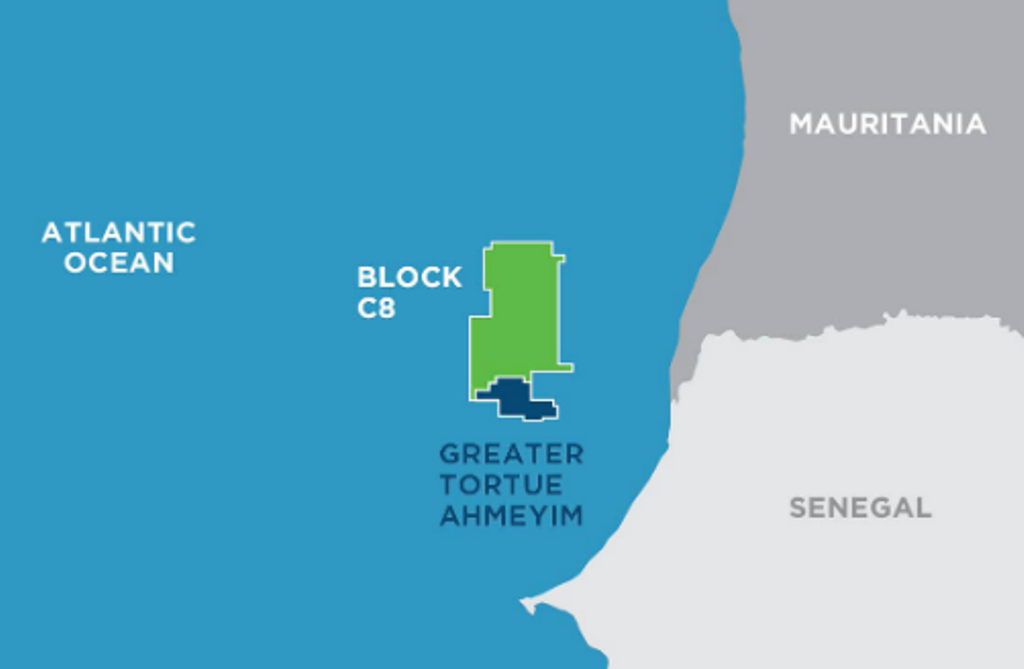 " alt="First LNG Realized at the Greater Tortue Ahmeyim Project">
 " alt="United Energy Acquires Western Desert Producer APEX">
 " alt="Baker Hughes Announces Major Gas Technology Orders for Venture Global LNG">
 " alt="ReconAfrica: Naingopo Results Demonstrate a Working Petroleum System">
 " alt="Tullow Highlights 2025 Operational Plans in Ghana">
 " alt="TotalEnergies to Supply 1.5 TWh to STMicroelectronics in France Over 15 years">
 " alt="Rockhopper Reaches Final Settlement with United on Egypt’s Abu Sennan Concession">
 " alt="Oil & Gas Crucial for African Growth: AEC Calls for Industry Support to Defend African Market">