Petroleum Africa
Find us on: 


Thursday, March 6, 2014
Release
Johannesburg, South Africa, 5 March 2014 – South Africa is one of 10 ‘Hot Countries’ for shale gas projects, along with Algeria, Argentina, Australia, China, Poland, Russia, United Kingdom, Ukraine and the United States.
This is one of the outcomes of the International Guide to Shale Gas published by Baker & McKenzie as a resource for companies looking at global shale opportunities. In addition to providing a regional examination of shale gas operations, the Guide offers a unique analysis of local law and key contractual issues in the 10 Hot Countries for shale gas projects.
Morné van der Merwe, a partner in Baker & McKenzie’s Johannesburg practice, says natural gas comprises only a small share of South Africa’s energy mix, leading to a reliance on coal for most of the country’s energy needs.
“However, Energy Information Administration (EIA) estimates indicate that South Africa has 390 tcf (trillion cubic feet) of technically recoverable shale gas resources,” van der Merwe says. “This has been good news for South Africa, given our limited amounts of conventional hydrocarbon supplies. Since South Africa imports around 70% of its crude oil needs, shale resource discoveries could help it supply its own energy demand and re-industrialise the South African economy.”
In September 2012, the South African Government lifted a moratorium on shale gas exploration in the Karoo Basin. Proposed regulations on hydraulic fracturing were published in October 2013 which require drillers to meet American Petroleum Standards.
The Minister expects to issue exploration licences for shale gas in the first quarter of this year. The following companies have applied for shale gas exploration licences for the Karoo from the Department of Mineral Resources: Shell, Challenger Energy subsidiary Bundu Gas & Oil Exploration, Falcon Gas & Oil (in partnership with Chevron), Statoil and Chesapeake.
“Shale gas has been a game changer in the US and clients are rapidly moving into new markets to capitalise on high-potential shale opportunities,” said Hugh Stewart, Head of the Firm’s Global Oil and Gas Practice. “We are excited to offer a single, comprehensive resource that goes beyond a recitation of local law. Companies are looking for global insight in this area, and this guide is intended to help address that need.”
Designed for oil and gas industry executives, environmental companies, and the financial services sector, the Guide is probably the first single source of information for the shale industry in many areas, including:
The Firm plans to add new countries to the Guide in subsequent editions, tracking the global shale industry’s expansion.
The launch of the Guide follows Baker & McKenzie’s Global Oil & Gas Institute held on 23 January in Houston, where lawyers from around the world joined leading executives to discuss the latest trends, opportunities and legal developments facing the burgeoning energy industry. The Firm is continuing the discussion with a series of webinars in February and March 2014 covering a range of issues affecting the industry.
Baker & McKenzie’s Oil & Gas Practice assists with oil and gas transactions throughout the entire value chain, from upstream to downstream, including distribution and trading. The Firm also has deep experience in matters involving unconventional resources. Baker & McKenzie has offices in nine of the top 10 shale gas countries and eight of the top 10 shale oil countries (according to the US Energy Information Administration’s June 2013 report, ‘Technically Recoverable Shale Oil and Shale Gas Resources’). The Firm has advised on more than 30 shale transactions over the past three years, including some of the first shale transactions in Canada and Poland. For more information about the Firm’s work in the oil and gas industry, please click here.
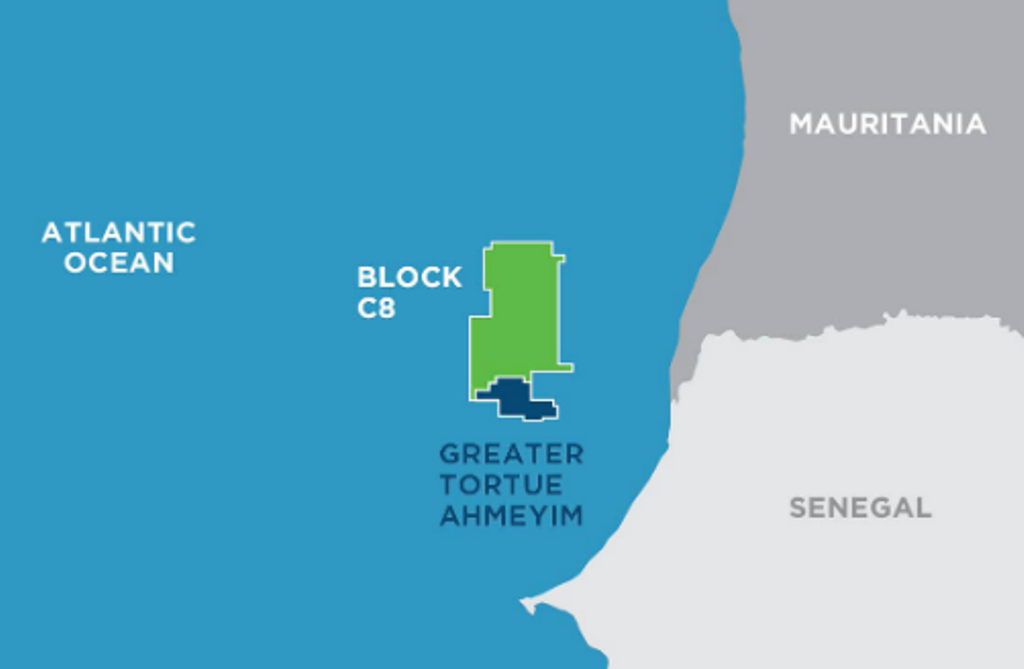 " alt="First LNG Realized at the Greater Tortue Ahmeyim Project">
 " alt="United Energy Acquires Western Desert Producer APEX">
 " alt="Baker Hughes Announces Major Gas Technology Orders for Venture Global LNG">
 " alt="ReconAfrica: Naingopo Results Demonstrate a Working Petroleum System">
 " alt="Tullow Highlights 2025 Operational Plans in Ghana">
 " alt="TotalEnergies to Supply 1.5 TWh to STMicroelectronics in France Over 15 years">
 " alt="Rockhopper Reaches Final Settlement with United on Egypt’s Abu Sennan Concession">
 " alt="Oil & Gas Crucial for African Growth: AEC Calls for Industry Support to Defend African Market">