Petroleum Africa
Find us on: 


Wednesday, October 2, 2013
The latest testing update for the Hammamet West-3 well in Tunisia’s Bargou Permit was issued by operator Cooper Energy. The well has undergone a second phase of production testing. The first phase of testing recorded a flow rate during the clean-up flow averaging 1,290 bpd for 1.5 hours before a near total blockage of the test string with lost circulation material (LCM) resulting in a loss of flow. It was necessary to introduce LCM during the drilling of the well to control severe drilling mud losses because of the presence of significant, open, highly permeable fractures in the horizontal well section.
Operations during the second phase of production testing have been unsuccessful in keeping the well free from LCM obstruction despite the introduction of acid into the open hole section prior to the test. Flow rates recorded measured an average 100 bpd of fluid and analysis of pressure and other data indicates that the lower flow rates are due to an obstruction within the wellbore. As with the first well test, a small volume of oil and gas was recovered.
At present, the test string is being pulled out of the hole prior to re-entering the wellbore with a drilling assembly to attempt to clean out any blockages. The results of this clean-up operation will determine the next operational decisions by the JV.
While the production tests have been interrupted, Cooper Energy considers that the results to date have provided strong and clear encouragement. The Hammamet West-3 results obtained to date confirm that the deviated wellbore has intersected significant natural fractures and recovered oil and gas to surface as well as recording other hydrocarbon indications including elevated gas levels and oil shows while drilling. These results have confirmed the pre-drill fracture model and the resource potential of the Hammamet West structure as well as reducing the risk of other similar prospects in the Bargou and neighboring Hammamet (Cooper Energy 35%) permits offshore Tunisia.
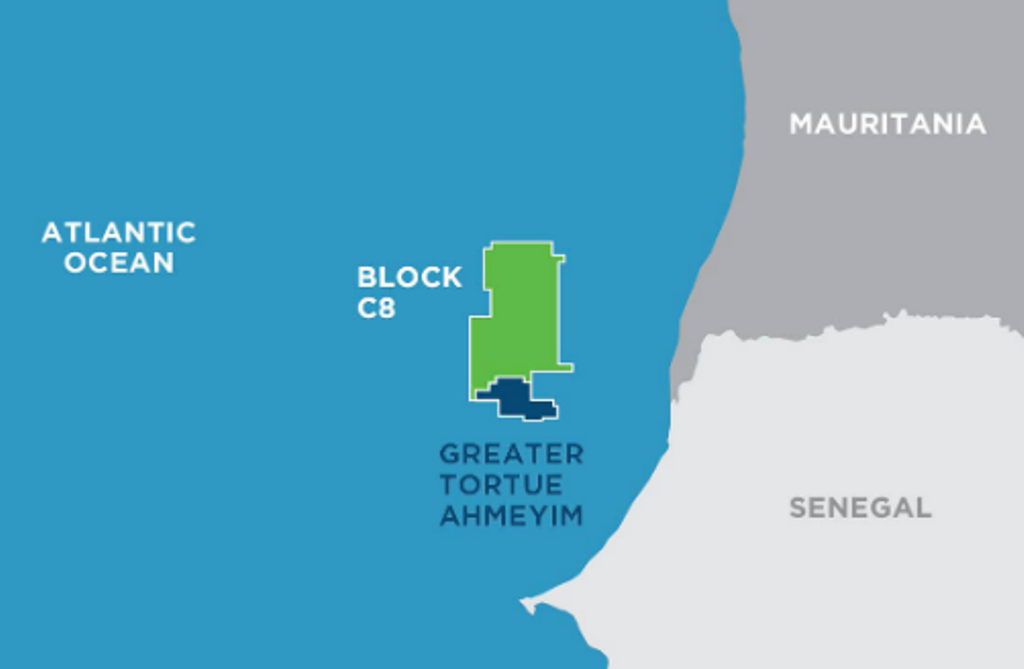 " alt="First LNG Realized at the Greater Tortue Ahmeyim Project">
 " alt="United Energy Acquires Western Desert Producer APEX">
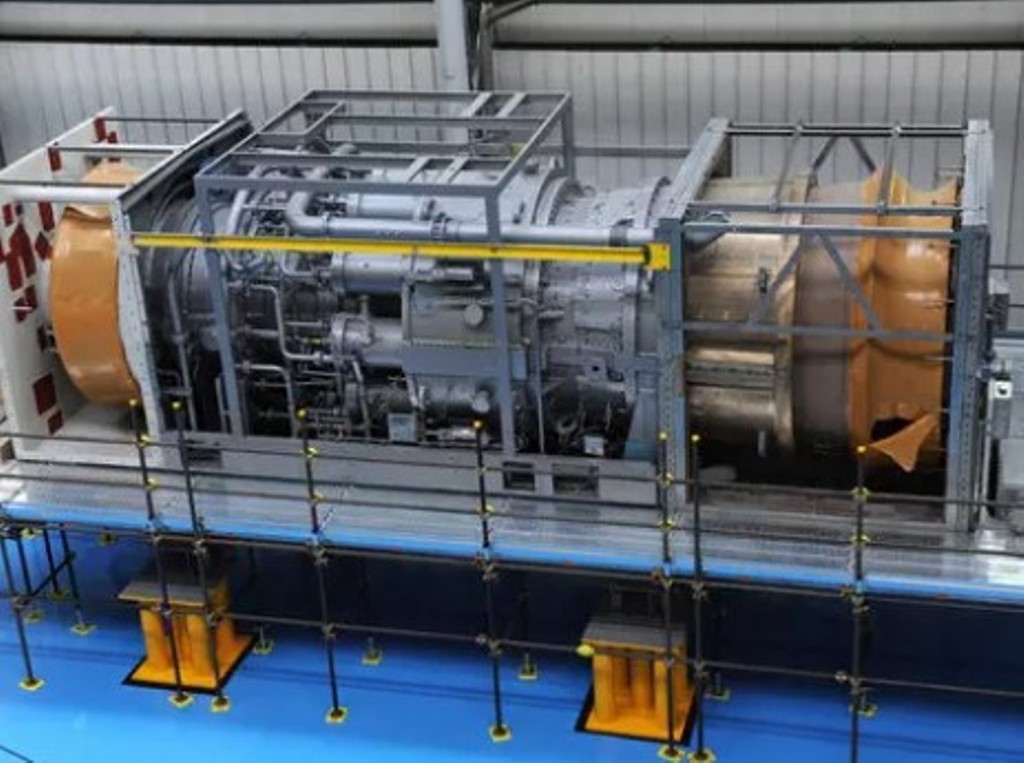 " alt="Baker Hughes Announces Major Gas Technology Orders for Venture Global LNG">
 " alt="ReconAfrica: Naingopo Results Demonstrate a Working Petroleum System">
 " alt="Tullow Highlights 2025 Operational Plans in Ghana">
 " alt="TotalEnergies to Supply 1.5 TWh to STMicroelectronics in France Over 15 years">
 " alt="Rockhopper Reaches Final Settlement with United on Egypt’s Abu Sennan Concession">
 " alt="Oil & Gas Crucial for African Growth: AEC Calls for Industry Support to Defend African Market">