Petroleum Africa
Find us on: 


Friday, August 2, 2013
Protests and the shut down in export flows from the ports of Ras Lanouf, Zueitina, Al sedra, and Al Hariga are costing Libya a significant amount in export earnings. According to the country’s prime minister, Ali Zeidan, oil exports have dropped 70% since protesters forced the closure of the terminals.
Oil Minister Abdelbari al-Aroussi said: “Libya is exporting today only 330,000 barrels compared with the average of 1.42 million barrels a day,” with the Zawiya port being the port still shipping out crude.
Sedra and Ras Lanouf were shut down on July 30, shutting in an estimated 600,000 barrels and the Al-Hariga and Zueitina were shut on July 31 have another 350,000 barrels blocked.
Demonstrations have been held at the terminals at Al-Harriga in Tobruk and Zueitina in the east, and at the Al-Fil oilfield in Ubari in the south, Arussi said.
The minister gave no details of the reasons for the protests, but said that “these protests are affecting Libya’s economy, which depends on oil and gas resources.”
Protests and the shut down in export flows from the ports of Ras Lanouf, Zueitina, Al sedra, and Al Hariga are costing Libya a significant amount in export earnings. According to the country’s prime minister, Ali Zeidan, oil exports have dropped 70% since protesters forced the closure of the terminals.
Oil Minister Abdelbari al-Aroussi said: “Libya is exporting today only 330,000 barrels compared with the average of 1.42 million barrels a day,” with the Zawiya port being the port still shipping out crude.
Sedra and Ras Lanouf were shut down on July 30, shutting in an estimated 600,000 barrels and the Al-Hariga and Zueitina were shut on July 31 have another 350,000 barrels blocked.
Demonstrations have been held at the terminals at Al-Harriga in Tobruk and Zueitina in the east, and at the Al-Fil oilfield in Ubari in the south, Arussi said.
The minister gave no details of the reasons for the protests, but said that “these protests are affecting Libya’s economy, which depends on oil and gas resources.”
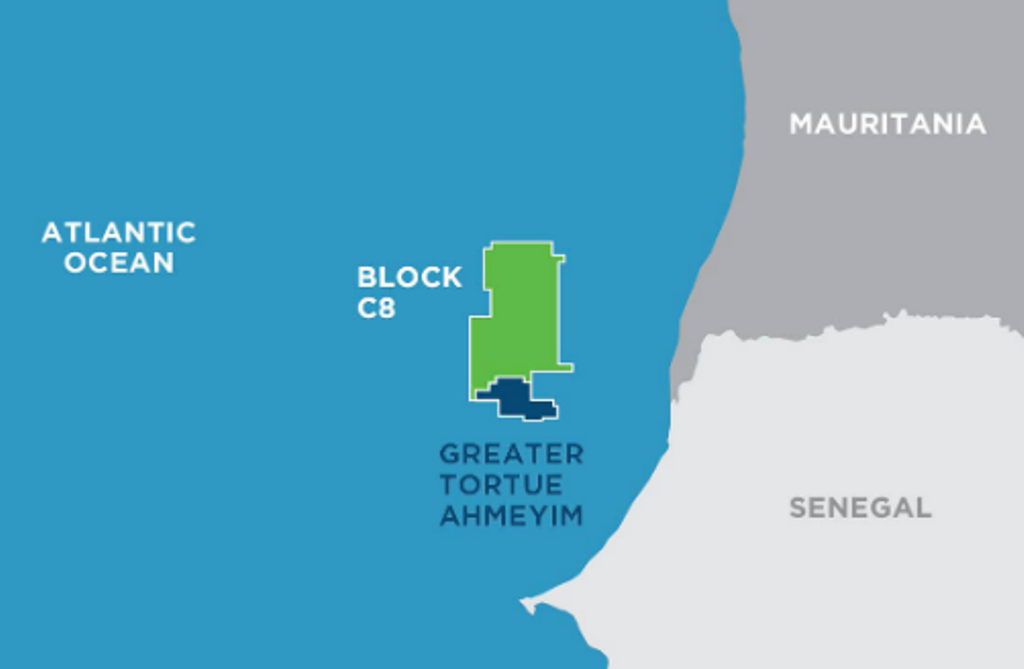 " alt="First LNG Realized at the Greater Tortue Ahmeyim Project">
 " alt="United Energy Acquires Western Desert Producer APEX">
 " alt="Baker Hughes Announces Major Gas Technology Orders for Venture Global LNG">
 " alt="ReconAfrica: Naingopo Results Demonstrate a Working Petroleum System">
 " alt="Tullow Highlights 2025 Operational Plans in Ghana">
 " alt="TotalEnergies to Supply 1.5 TWh to STMicroelectronics in France Over 15 years">
 " alt="Rockhopper Reaches Final Settlement with United on Egypt’s Abu Sennan Concession">
 " alt="Oil & Gas Crucial for African Growth: AEC Calls for Industry Support to Defend African Market">