Petroleum Africa
Find us on: 


Sunday, October 9, 2016
Release
The US Department of State has funded Energy 4 Impact, a non-profit organization that supports local businesses that provide energy access to off-grid communities in Africa, to implement a new program that seeks to boost women’s involvement in the renewable energy value chain in East Africa.
Funding for the two-year Women Integration into Renewable Energy (WIRE) Value Chains program was secured in early September 2016. It seeks to integrate 400 women in rural Kenya and Tanzania into the renewable energy supply chain by providing them with business and technology training and mentorship, and supporting them to access financing and market opportunities.
The program is part of the Partnership on Women’s Entrepreneurship in Renewables (wPOWER) launched by the US Department of State in January 2013 to empower women clean energy entrepreneurs across East Africa, Nigeria and India to deliver clean energy access. The new programme will collaborate with wPOWER to mitigate climate change by reducing carbon emissions and the degradation of natural resources from the use of dirty cooking and lighting fuels including firewood and kerosene.
The initiative is expected to provide 396,000 people with access to clean cooking and solar lighting products in Kenya and Tanzania, and create 400 jobs.
The program will be implemented in the Lake Zone Regions in Tanzania and in 25 counties in Kenya, namely; Kisumu, Kisii, Homa Bay, Siaya, Migori, Kakamega, Vihiga, Bungoma, Busia, Kiambu, Muranga, Nyeri, Mombasa, Kwale, Kilifi, Taita Taveta, Nakuru, Eldoret, Nandi, Bomet, Narok, Kericho, Machakos, Meru and Embu.
“We will leverage our experience and resources in the two countries to strengthen the capacity of some of our existing clients, with a view to expanding their product range and enabling them to diversify their revenues,” says Energy 4 Impact Programme Manager Godfrey Sanga.
In addition, Energy 4 Impact will also work with wPOWER Partners in order to support the expansion of the wPOWER network of women clean energy entrepreneurs. In Kenya, it will work with the Green Belt Movement, which serves as the wPOWER Hub, to identify some of the Movement’s women entrepreneurs that are capable of successfully participating in the clean cooking and off-grid lighting value chain. Similar collaborative efforts will be pursued in Tanzania with the other wPOWER partners including CARE International and Solar Sister.
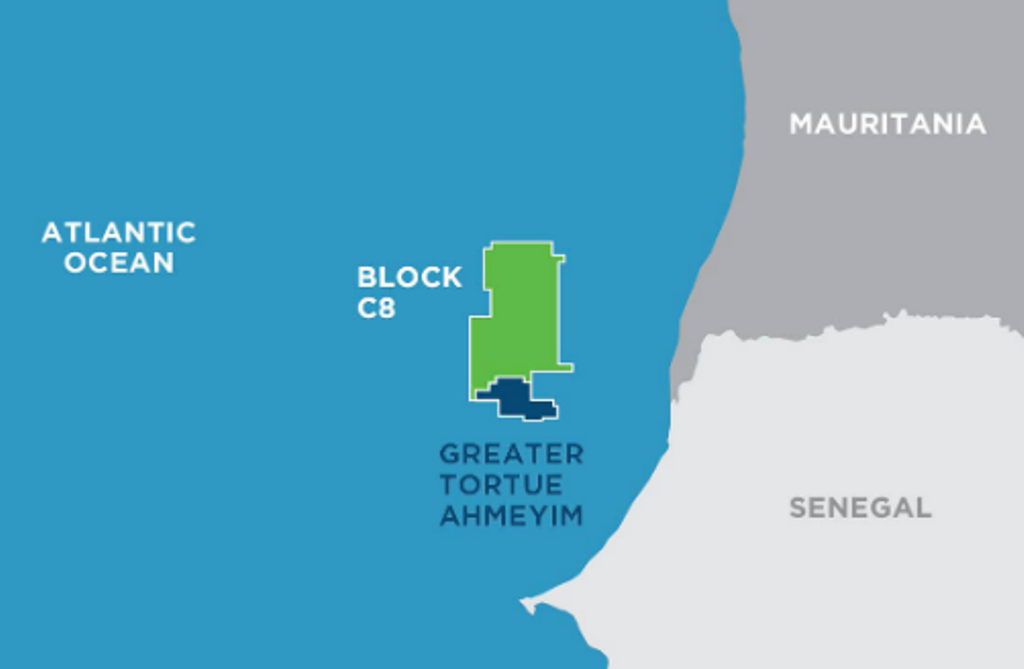 " alt="First LNG Realized at the Greater Tortue Ahmeyim Project">
 " alt="United Energy Acquires Western Desert Producer APEX">
 " alt="Baker Hughes Announces Major Gas Technology Orders for Venture Global LNG">
 " alt="ReconAfrica: Naingopo Results Demonstrate a Working Petroleum System">
 " alt="Tullow Highlights 2025 Operational Plans in Ghana">
 " alt="TotalEnergies to Supply 1.5 TWh to STMicroelectronics in France Over 15 years">
 " alt="Rockhopper Reaches Final Settlement with United on Egypt’s Abu Sennan Concession">
 " alt="Oil & Gas Crucial for African Growth: AEC Calls for Industry Support to Defend African Market">