Petroleum Africa
Find us on: 


Friday, July 7, 2017
The Nigerian cabinet green lighted the national gas policy put before it, according to a statement by the Ministry of Petroleum Resources. The national gas policy is aimed at reducing the country’s dependence on crude oil by increasing gas exploration and facilities. The move to gas will lessen Nigeria’s import bill for refined petroleum products.
Nigeria has the world’s ninth largest proven gas reserves at 187 Tcf, but requires more infrastructure to take advantage of those resources. If coupled with infrastructure investment, Nigeria could also improve its creaking power grid, which forces many with no power, or those plagued by frequent blackouts, to operate costly generators.
The 100-page National Gas Policy seeks to set up a single independent petroleum regulator.
It also aims to separate upstream from midstream operations and to separate gas infrastructure ownership and operations from gas trading, the Ministry said. The policy also divides the Nigeria Gas Company into separate transport and gas marketing companies and introduces “market-led wholesale gas pricing” after a transitional period.
The approval of the National Gas Policy follows the Nigerian senate passing the Petroleum Industry Bill in May.
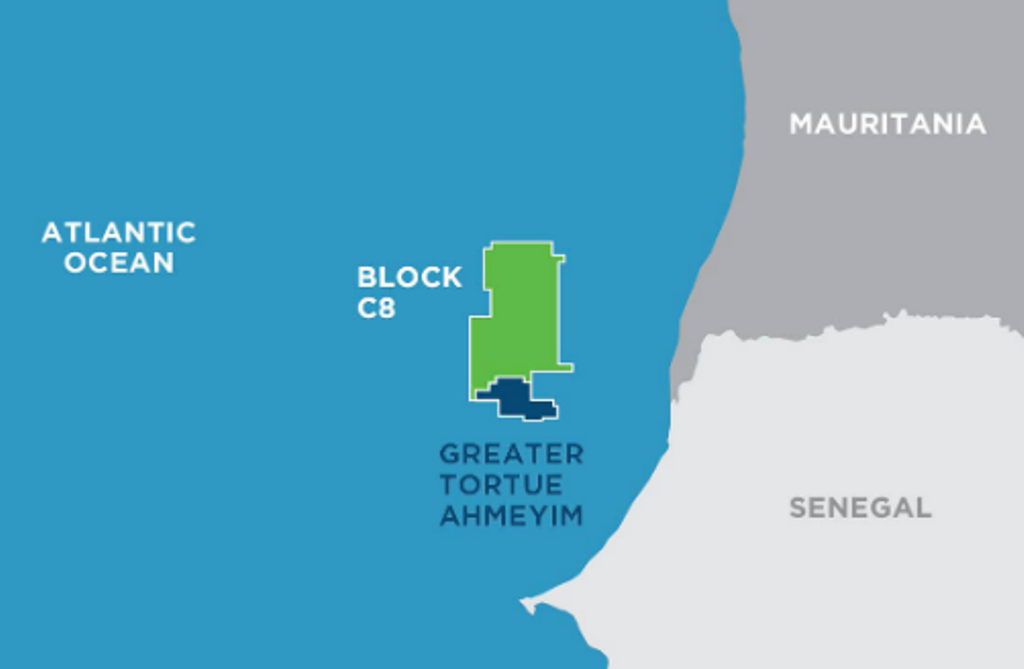 " alt="First LNG Realized at the Greater Tortue Ahmeyim Project">
 " alt="United Energy Acquires Western Desert Producer APEX">
 " alt="Baker Hughes Announces Major Gas Technology Orders for Venture Global LNG">
 " alt="ReconAfrica: Naingopo Results Demonstrate a Working Petroleum System">
 " alt="Tullow Highlights 2025 Operational Plans in Ghana">
 " alt="TotalEnergies to Supply 1.5 TWh to STMicroelectronics in France Over 15 years">
 " alt="Rockhopper Reaches Final Settlement with United on Egypt’s Abu Sennan Concession">
 " alt="Oil & Gas Crucial for African Growth: AEC Calls for Industry Support to Defend African Market">