Petroleum Africa
Find us on: 


Monday, September 1, 2014
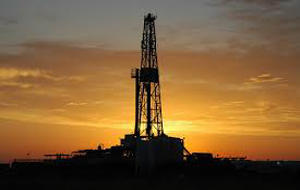
PetroMaroc completed the drilling of its second exploration well, the Kama-1 well, onshore Morocco in the Sidi Moktar License. The Kamar-1 well was drilled to a final total depth of 2,790 meters and intersected two distinct gas-bearing intervals.
The first intersected interval, the Lower Liassic, has a gross interval of 110 meters as defined by petrophysical logs. The second interval is defined by the presence of significant natural gas volumes in the drilling mud within the Lower Dogger/Upper Liassic zone, which occurs over a gross interval of approximately 100 meters.
Following the Kamar-1 well the company plans to appraise the potential of the Sidi Moktar license. These initiatives include testing and evaluating the existing wells and data. The license could also see seismic acquired over the Kechoula structure and the drilling of two or three additional delineation and appraisal wells on the Kechoula structure.
The company also reported on the Sidi Moussa offshore, where Genel Energy is the operator. The license saw the Nour-1 spud on July 30 and drilling is expected to take between 60-90 days to complete. Prior to reaching the primary target Middle Jurassic platform carbonate unit, and secondary target Upper Jurassic reefal carbonates, PetroMaroc entered formal discussions with the operator and partners to transfer its 1.5% working interest in the Sidi Moussa license.
During Q2 PetroMaroc successfully transferred its 22.5% working interest in the Tarfaya Offshore license to the operator. PetroMaroc will not be liable for the $1.5 million penalty previously accrued, which followed the operator’s decision not to drill one exploration commitment well by April 2014. Completion of this transaction is subject to the final approval by the Ministry of Energy.
“Our first two exploration wells, Koba-1, drilled in late 2013, and Kamar-1, completed in May 2014, captured extensive geological and petrophysical information on the Kechoula structure. They helped define the presence of natural gas in the targeted Lower Liassic formation and the Lower Dogger/Upper Liassic formations. These promising results have set the foundation for the planning and evaluation we currently have underway to continue our appraisal work, and we are now sharpening our focus in Morocco on the Sidi Moktar license where we hold a 50% operated interest. In order to capture the opportunity of our Sidi Moktar exploration, we have initiated commercial and regulatory discussions to transfer our minority interests in the Tarfaya onshore license and the Sidi Moussa offshore license to our partners. Our brightest geological opportunities and largest economic interests are in Sidi Moktar, and that’s where we will concentrate our geological and financial resources in Morocco,” said Thomas Feuchtwanger, PetroMaroc’s CEO.
“We have a vision to become the leading hydrocarbon producer in Morocco, which has an attractive and unfulfilled market for new domestic energy supplies. We are applying disciplined, well-proven technologies and risk-management practices to create long-term value from natural gas and oil for our shareholders and the people of Morocco,” Feuchtwanger said.
PetroMaroc ended Q2 with cash of $6.6 million and is now pursuing a series of financing initiatives with investors to raise new capital to fund current operational commitments and to fund additional evaluation of its Sidi Moktar license.
 " alt="First LNG Realized at the Greater Tortue Ahmeyim Project">
 " alt="United Energy Acquires Western Desert Producer APEX">
 " alt="Baker Hughes Announces Major Gas Technology Orders for Venture Global LNG">
 " alt="ReconAfrica: Naingopo Results Demonstrate a Working Petroleum System">
 " alt="Tullow Highlights 2025 Operational Plans in Ghana">
 " alt="TotalEnergies to Supply 1.5 TWh to STMicroelectronics in France Over 15 years">
 " alt="Rockhopper Reaches Final Settlement with United on Egypt’s Abu Sennan Concession">
 " alt="Oil & Gas Crucial for African Growth: AEC Calls for Industry Support to Defend African Market">