Petroleum Africa
Find us on: 



Wednesday, July 29, 2015
PA Resources submitted an updated Zarat Field Plan of Development (PoD) to the Tunisian authorities. This POD is a technically and commercially robust plan which has been constructed by the Zarat Field joint development team; made up of staff from both PA Resources and ETAP.
The Zarat Field is a large, shallow-water, gas-condensate and oil field containing estimated recoverable reserves of 147 million boe. It is Tunisia’s largest undeveloped field, and production from Zarat will be critical in alleviating a forecast future gas supply deficit in Tunisia. Zarat Field is geologically similar to PA Resources’ nearby Didon Field and to other producing fields such as Ashtart and Hasdrubal fields in Tunisia and the giant El Bouri and Al Jurf fields in Libya.
The Zarat Field extends across two license tracts; the Zarat license to the south and the Joint Oil block to the north. The parties in the Zarat license are PA Resources Tunisia as operator and ETAP. ETAP has the option to back-in to the southern tract for up to a 55% working interest, in which scenario PA Resources would retain 45%; a decision on this back-in option follows shortly after acceptance of the Plan of Development. The northern tract is held by Joint Oil, which was formed as a joint entity between ETAP and Libya’s state-run oil company NOC.
The proposed development is in two phases, with Phase 1 comprising four production wells and production facilities to process and export 20,000 bpd of oil and 100 Mmscf/d of raw gas. Phase 2 comprises a further four development wells, with expanded facilities to increase capacity to 40,000 bpd and 200 Mmscf/d of raw gas. First oil would be expected in 2020. The Plan of Development makes full use of existing Gulf of Gabes infrastructure for the reinjection of CO2, the export of sales gas to shore, onshore gas processing and extraction of the LPG stream. The Zarat facilities also have the potential to act as a hub to facilitate development of nearby stranded oil and gas fields in the eastern Gulf of Gabes, such as PA Resources’ Elyssa gas field.
Following acceptance of the Zarat Field PoD by the Tunisian authorities, the project will enter a FEED phase with project sanction during 2017.
PA Resources CEO, Mark McAllister commented: “We are delighted to have reached this milestone on the Zarat Field. The Plan of Development is the result of dedicated work and close collaboration between PA Resources and ETAP, which has achieved total alignment on the optimum approach to maximise resource recovery and value from the Zarat Field. The phased approach to development allows reduced capital outlay to achieve commercial production from what is a most important field development for Tunisia.”
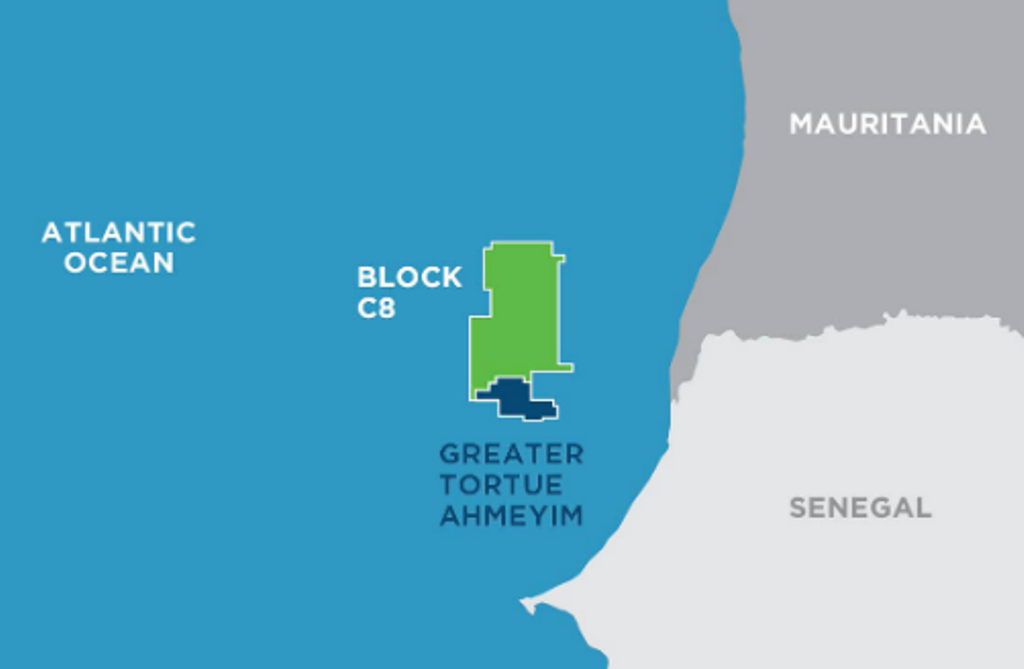 " alt="First LNG Realized at the Greater Tortue Ahmeyim Project">
 " alt="United Energy Acquires Western Desert Producer APEX">
 " alt="Baker Hughes Announces Major Gas Technology Orders for Venture Global LNG">
 " alt="ReconAfrica: Naingopo Results Demonstrate a Working Petroleum System">
 " alt="Tullow Highlights 2025 Operational Plans in Ghana">
 " alt="TotalEnergies to Supply 1.5 TWh to STMicroelectronics in France Over 15 years">
 " alt="Rockhopper Reaches Final Settlement with United on Egypt’s Abu Sennan Concession">
 " alt="Oil & Gas Crucial for African Growth: AEC Calls for Industry Support to Defend African Market">